
Discovering white spots on your teeth can be concerning. Are they early signs of tooth decay, or simply calcium deposits? Understanding the causes, diagnosis, and treatment options is crucial for maintaining optimal dental health and achieving whiter teeth. This comprehensive guide will help you decipher dental discolorations, explore effective solutions, and empower you to take proactive steps towards a spot-free smile. Let’s dive into the world of white spots on teeth and uncover the secrets to a brighter, healthier you!
What are White Spots on Teeth (Calcium Deposits)?
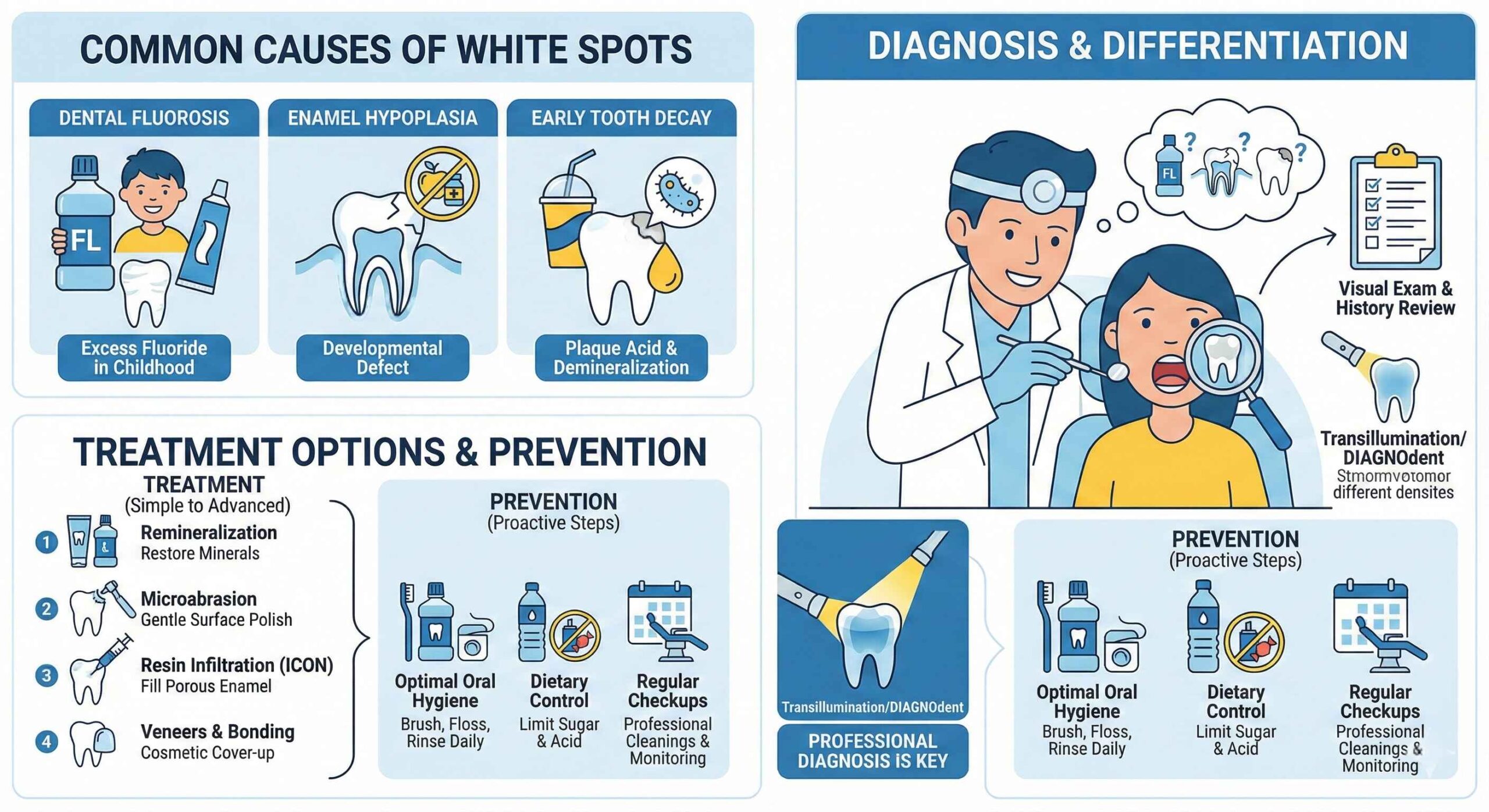
White spots on teeth, often referred to as calcium deposits, are areas of tooth enamel that have lost minerals, a process called demineralization. These areas appear lighter than the surrounding tooth structure due to differences in how light reflects off the altered enamel. These can be caused by a number of factors, including excess fluoride intake during tooth development (dental fluorosis), enamel hypoplasia (a developmental defect), or early signs of tooth decay. The chalky white appearance is a key indicator. Calcium deposits on teeth aren’t always true deposits; rather, they often represent areas where calcium has been lost, leaving the enamel more porous and susceptible to staining.
Are White Spots on Teeth Enamel Decay (Early Cavities) or Calcium Deposits?
Distinguishing between demineralization (early tooth decay) and other causes like enamel hypoplasia or dental fluorosis is essential for proper treatment. Early signs of decay often present as white spots because the enamel is losing minerals due to acid produced by plaque bacteria. In contrast, enamel hypoplasia results from a disturbance during tooth formation, leading to thinner or weaker enamel in certain areas. Dental fluorosis, caused by excessive fluoride intake during tooth development, results in altered enamel mineralization, also presenting as white spots. Your dental professional today can help you accurately assess the underlying cause through a dental examination.
The Science Behind Enamel Formation and Demineralization
Tooth enamel is primarily composed of hydroxyapatite, a mineral form of calcium phosphate. Enamel formation, called amelogenesis, is a complex process that occurs during tooth development. Demineralization happens when acids, produced by bacteria in plaque after consuming sugary foods, attack the enamel. This acid dissolves the hydroxyapatite crystals, leading to mineral loss and the formation of white spots. Conversely, remineralization is the process of restoring minerals to the enamel, often facilitated by fluoride. This process is crucial in reversing reversible enamel changes and preventing further tooth decay. Maintaining a balance between demineralization and remineralization is vital for long-term dental health and protecting enamel.
Differentiating White Spots from Other Tooth Discoloration
It’s important to distinguish white spots from other forms of tooth discoloration. Yellow or brown stains are often caused by diet, tobacco use, or aging. Grayish discoloration can result from trauma or certain medications. White spots, specifically, are usually linked to demineralization, enamel hypoplasia, or dental fluorosis. A dental examination by your dental professional is necessary to accurately diagnose the type of discoloration and recommend the appropriate treatment.
Common Causes of White Spots on Teeth
Understanding what causes white spots is key to prevention.
Fluorosis: What is it and How Does it Cause White Spots?
Dental fluorosis occurs when a child consumes excessive fluoride during the enamel-forming years (typically before age 8). This can disrupt the normal mineralization process, leading to enamel that is more porous and prone to white spots. The severity of fluorosis can range from barely noticeable white lines to more prominent, chalky white appearance. While fluorosis is generally a cosmetic concern and doesn’t affect the health of the teeth, it’s crucial to monitor fluoride intake in young children to prevent it.
Enamel Hypoplasia: A Developmental Defect Explained
Enamel hypoplasia is a developmental defect that occurs when the enamel doesn’t form properly during tooth development. This can result in thinner or weaker enamel, making the teeth more susceptible to decay and discoloration, including white spots. The causes of enamel hypoplasia can include nutritional deficiencies, premature birth, certain illnesses, or genetic factors. In some cases, the localized enamel hypoplasia will require more extensive treatment, such as fillings or veneers.
Dietary Factors and Their Impact on Enamel Health (Sugary Foods, Acidic Drinks)
Dieting plays a significant role in enamel health. Frequent consumption of sugary foods and acidic drinks creates an environment conducive to demineralization. Bacteria in plaque metabolize sugars, producing acids that attack the enamel. Acidic drinks, such as soda, fruit juices, and sports drinks, directly erode the enamel. Limiting dietary sugar consumption and acidic intake can help reduce the risk of white spots and tooth decay.
Poor Oral Hygiene: How Plaque and Bacteria Lead to Demineralization
Poor oral hygiene allows plaque and bacteria to accumulate on the teeth. Plaque is a sticky film that contains bacteria that produce acids when they come into contact with sugars. These acids attack the enamel, leading to demineralization and the formation of white spots. Regular brushing, flossing, and rinsing with are essential for removing plaque and preventing demineralization. You can improve your dental hygiene by brushing twice a day with , flossing daily, and using an antimicrobial mouthwash.
Orthodontic Treatment and the Risk of White Spots (Braces, Aligners)
Orthodontic treatment, especially with traditional braces, can increase the risk of white spots. Braces make it more difficult to clean the teeth effectively, allowing plaque to accumulate around the brackets. This can lead to localized demineralization and the formation of white spots once the braces are removed. Meticulous oral hygiene, including the use of interdental brushes and fluoride mouthwash, is crucial during orthodontic treatment to prevent white spots.
Medications and Medical Conditions That Can Contribute to White Spots
Certain medications and medical conditions can also contribute to white spots. Some medications can reduce saliva flow, leading to dry mouth, which increases the risk of demineralization. Medical conditions that affect enamel development, such as celiac disease or certain genetic disorders, can also increase the likelihood of white spots. Talk to your dental professional about any medications you are taking and any underlying medical conditions that might be affecting your dental health.
Diagnosing White Spots on Teeth: What to Expect at the Dentist
Accurate diagnosis is essential for effective treatment.
Visual Examination and Dental History Review
The first step in diagnosing white spots is a visual examination by a dental professional. The dentist will carefully examine the teeth, noting the location, size, and shape of the white spots. They will also review your dental history, including any previous dental treatments, oral hygiene habits, and dietary habits. This information helps the dentist assess the underlying cause of the white spots and rule out fluorosis concerns.
Diagnostic Tools: Transillumination, DIAGNOdent, and Other Technologies
In addition to visual examinations, dentists may use diagnostic tools to assess the severity of demineralization. Transillumination involves shining a bright light through the tooth to detect areas of altered density. DIAGNOdent is a laser fluorescence device that measures changes in enamel density, helping to identify early stages of tooth decay. These technologies can help the dentist distinguish between demineralization and other causes of white spots.
Why a Professional Diagnosis is Crucial: Ruling Out Other Conditions
A professional diagnosis is crucial for ruling out other conditions that can cause similar symptoms. White spots can sometimes be mistaken for other types of tooth discoloration or even early signs of more severe dental problems. Only a qualified dental professional can accurately assess the underlying cause of the white spots and recommend the appropriate treatment. Ignoring white spots if left untreated can lead to more extensive tooth decay.
Treatment Options for White Spots on Teeth: From Simple to Advanced
The good news is that there are several effective treatment options available.
Remineralization Therapy: Fluoride Treatments, Toothpastes, and Rinses
Remineralization therapy is a conservative approach that aims to restore minerals to the enamel. This typically involves the use of fluoride treatments, such as fluoride varnish treatment, high-fluoride toothpastes, and fluoride rinses. Fluoride helps to strengthen the enamel and promote remineralization, reversing early stages of demineralization. Remineralization therapy is most effective for treating early signs of decay.
Microabrasion: A Gentle Polishing Technique for Surface Stains
Microabrasion is a minimally invasive technique that involves gently polishing the surface of the enamel to remove superficial stains and white spots. This is typically done using a special paste containing a mild abrasive and acid. Microabrasion is most effective for treating white spots caused by enamel fluorosis or enamel hypoplasia. It can significantly improve the appearance of white spots while preserving healthy tooth structure.
Resin Infiltration (ICON): A Minimally Invasive Solution
Resin infiltration, often using the ICON resin infiltration technique, is a minimally invasive treatment that involves applying a special resin to the affected area. The resin penetrates the porous enamel, filling in the demineralized areas and restoring the tooth’s natural appearance. Resin infiltration is particularly effective for treating white spots caused by early decay or enamel hypoplasia. It’s a pain-free procedure that can be completed in a single dental visit.
Teeth Whitening: Can it Help? What You Need to Know
Teeth whitening procedures can sometimes help to reduce the contrast between white spots and the surrounding enamel. However, it’s important to note that whitening may not completely eliminate white spots, and in some cases, it can even make them more noticeable. It’s best to consult with your dentist to determine if tooth whitening is an appropriate treatment option for your specific case and should be used under the guidance of a dental professional.
Porcelain Veneers and Dental Bonding: Covering Up White Spots for a Perfect Smile
For more severe cases of white spots, porcelain veneers or dental bonding may be recommended. Porcelain veneers are thin, custom-made shells that are bonded to the front surface of the teeth, completely covering up the white spots. Dental bonding involves applying a tooth-colored resin material to the teeth to mask the white spots. Both veneers and bonding can provide a dramatic improvement in the appearance of white spots, creating a more uniform and aesthetically pleasing smile. These are procedures.
Composite Fillings: When White Spots Indicate Decay
If the white spots indicate active tooth decay, composite fillings may be necessary. The dentist will remove the decayed portion of the tooth and fill the cavity with a tooth-colored composite material. This restores the tooth’s structure and prevents further decay. Composite fillings are a durable and aesthetically pleasing option for treating cavities.
Comparing Treatment Options: Pros, Cons, and Costs
Each treatment option has its own pros, cons, and costs. Remineralization therapy is a conservative and cost-effective option, but it may not be effective for all cases. Microabrasion and resin infiltration are minimally invasive and can provide significant cosmetic improvement. Porcelain veneers and dental bonding are more expensive but offer a more dramatic and long-lasting solution. Composite fillings are necessary for treating active tooth decay. It’s important to discuss the various treatment options with your dentist to determine the best approach for your individual needs and budget.
Preventing White Spots on Teeth: A Proactive Approach
Prevention is always better than cure.
Optimal Oral Hygiene Practices: Brushing, Flossing, and Rinsing
Maintaining optimal oral hygiene practices is crucial for preventing white spots. This includes brushing your teeth twice a day with fluoride toothpaste, flossing daily to remove plaque from between your teeth, and rinsing with an antimicrobial mouthwash to kill bacteria. Proper brushing technique and regular flossing are essential for removing plaque and preventing demineralization. You can with these practices.
The Right Fluoride Level: Balancing Benefits and Risks
Fluoride is essential for preventing tooth decay, but it’s important to balance the benefits with the risks of fluorosis. Children should use fluoride toothpaste in the appropriate amount for their age, and parents should supervise brushing to ensure they don’t swallow too much toothpaste. If you live in an area with fluoridated water, you may not need additional fluoride supplements. Talk to your dentist or pediatrician about the appropriate fluoride level for your child.
Dietary Recommendations: Limiting Sugary and Acidic Intake
Limiting your intake of sugary and acidic foods and drinks can significantly reduce your risk of white spots. Choose water or unsweetened beverages over soda, juice, and sports drinks. Limit your consumption of sugary snacks and candies. If you do consume sugary or acidic foods, rinse your mouth with water afterward to neutralize the acids and prevent demineralization.
Preventing White Spots During Orthodontic Treatment: Tips and Strategies
If you are undergoing orthodontic treatment, it’s especially important to maintain meticulous oral hygiene to prevent white spots. Use interdental brushes to clean around the brackets and wires, and rinse with a fluoride mouthwash daily. Your orthodontist may also recommend using a fluoride varnish treatment to protect the enamel. Regular dental checkups and professional dental cleaning are also essential during orthodontic treatment.
Early Intervention for Children: Protecting Developing Enamel
Early intervention is crucial for protecting developing enamel in children. Ensure that children receive adequate fluoride exposure during tooth development, but avoid excessive fluoride intake. Supervise children’s brushing habits and teach them proper oral hygiene techniques. Schedule regular dental checkups for children starting at age one to monitor their dental health and identify any potential problems early on. Protecting is essential for a lifetime of healthy smiles.
Long-Term Care and Maintenance for a Spot-Free Smile
Maintaining your results requires ongoing effort.
Regular Dental Checkups and Cleanings: Why They Matter
Regular dental checkups and professional dental cleaning are essential for long-term maintenance. Your dentist can monitor the health of your enamel, identify any early signs of demineralization, and provide professional fluoride application to strengthen the enamel. Professional dental cleaning removes plaque and tartar, preventing further demineralization and tooth decay. These checkups help.
Maintaining Proper Oral Hygiene at Home
Continuing to maintain proper oral hygiene at home is crucial for preventing white spots from returning. Brush your teeth twice a day with fluoride toothpaste, floss daily, and rinse with an antimicrobial mouthwash. Use proper brushing technique and replace your toothbrush every three months. Regular check-ups and good oral hygiene habits help.
Lifestyle Adjustments for Enamel Health
Making certain lifestyle adjustments can also help to maintain enamel health. Limit your consumption of sugary and acidic foods and drinks. Avoid using tobacco products, as they can stain and damage the enamel. Manage stress, as stress can lead to teeth grinding, which can wear down the enamel. Consider using something that is gentle on enamel.
When to Seek Further Treatment: Monitoring White Spots and Addressing Changes
It’s important to monitor your white spots regularly and seek further treatment if you notice any changes. If the white spots become larger, more numerous, or more noticeable, schedule an appointment with your dentist. If you experience any tooth sensitivity or pain, this could be a sign of tooth decay and requires prompt treatment. Early detection and treatment can prevent more serious dental problems.
White Spots and Self-Esteem: Addressing the Psychological Impact
White spots can impact more than just your teeth.
The Emotional Toll of Imperfect Teeth
White spots on teeth can have a negative impact on self-esteem and confidence. Many people feel self-conscious about their smile and may avoid smiling or laughing in public. They may also feel embarrassed or ashamed of their teeth. The emotional toll of imperfect teeth can affect social interactions and overall quality of life.
Building Confidence Through Treatment and Acceptance
Treatment for white spots can significantly improve self-esteem and confidence. Achieving a brighter, more uniform smile can boost self-image and make people feel more comfortable and confident in social situations. In some cases, acceptance may also be an important part of the process. Recognizing that imperfections are normal and that everyone has flaws can help to reduce self-consciousness and promote self-acceptance.
Finding Support and Resources
If you are struggling with the emotional impact of white spots on teeth, there are support and resources available. Talk to your dentist or a mental health professional about your concerns. They can provide guidance and support to help you cope with the emotional challenges. Online support groups and forums can also provide a sense of community and connection with others who are experiencing similar issues.
Conclusion: A Brighter, Healthier Smile is Possible
Don’t let white spots hold you back from smiling.
Recap of Key Takeaways
White spots on teeth can be caused by a variety of factors, including dental fluorosis, enamel hypoplasia, and early tooth decay. Proper diagnosis is essential for determining the underlying cause and recommending the appropriate treatment. Treatment options range from conservative remineralization therapy to more advanced cosmetic procedures. Preventing white spots involves maintaining optimal oral hygiene, limiting sugary and acidic intake, and ensuring adequate fluoride exposure. Regular dental checkups and professional dental cleaning are essential for long-term maintenance.
Encouragement and Next Steps
If you have white spots on your teeth, don’t despair! A brighter, healthier smile is possible. Schedule an appointment with your dental professional today to discuss your concerns and explore your treatment options. With proper care and treatment, you can achieve a spot-free smile and enjoy the confidence that comes with it. Remember to improve your dental hygiene and maintain it for a lifetime of smiles depend on it!
FAQ: Addressing Your Questions About White Spots on Teeth
1. Are white spots on teeth permanent?
White spots can be permanent depending on the cause. Fluorosis and enamel hypoplasia often result in permanent spots, while those caused by early demineralization can sometimes be reversed with remineralization therapy.
2. Can I get rid of white spots on my teeth at home?
While you can’t completely eliminate white spots at home, improving your oral hygiene with fluoride toothpaste and limiting sugary drinks can help prevent them from worsening. For effective treatment, consult your dentist.
3. How much does it cost to treat white spots on teeth?
The cost varies depending on the treatment. Remineralization therapy is typically the most affordable, while veneers are the most expensive. Microabrasion and resin infiltration fall in between.
4. What is ICON treatment for white spots?
ICON resin infiltration is a minimally invasive treatment where a special resin is applied to penetrate and fill the porous enamel, improving the appearance of white spots.
5. Is teeth whitening safe if I have white spots?
Teeth whitening can sometimes make white spots more noticeable. Talk to your dentist to determine if it’s a suitable option for you and to discuss strategies to minimize the contrast.
Q: What kind of toothpaste should I use for white spots? A: Use a fluoride toothpaste to help remineralize the enamel and prevent further demineralization. Your dentist may also recommend a prescription-strength fluoride toothpaste.
6. Are white spots on teeth a sign of calcium deficiency?
While calcium is a key component of tooth enamel, white spots are usually not caused by a systemic calcium deficiency. They are more commonly due to enamel fluorosis, enamel hypoplasia, or early tooth decay.